Catching Sight Lecture: Paul Pfeiffer
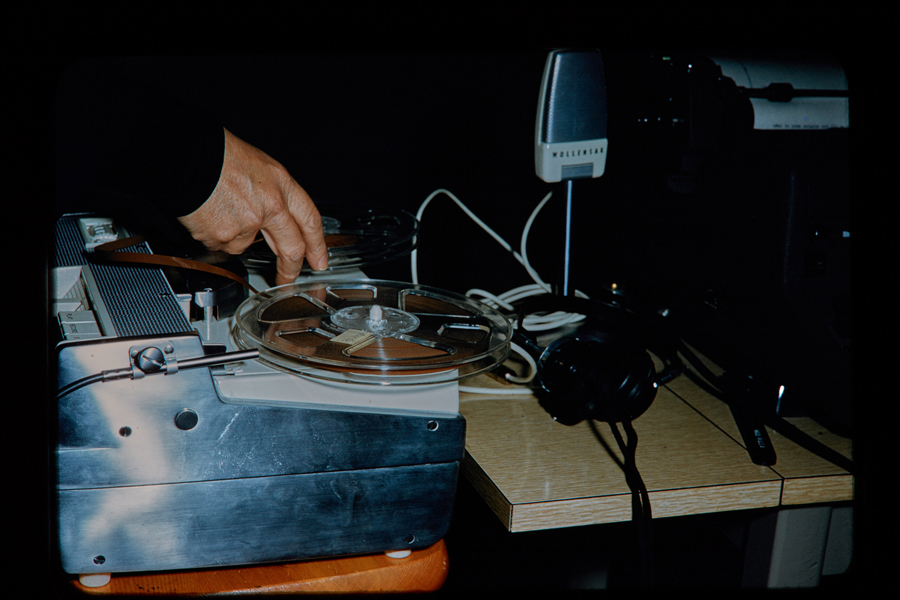
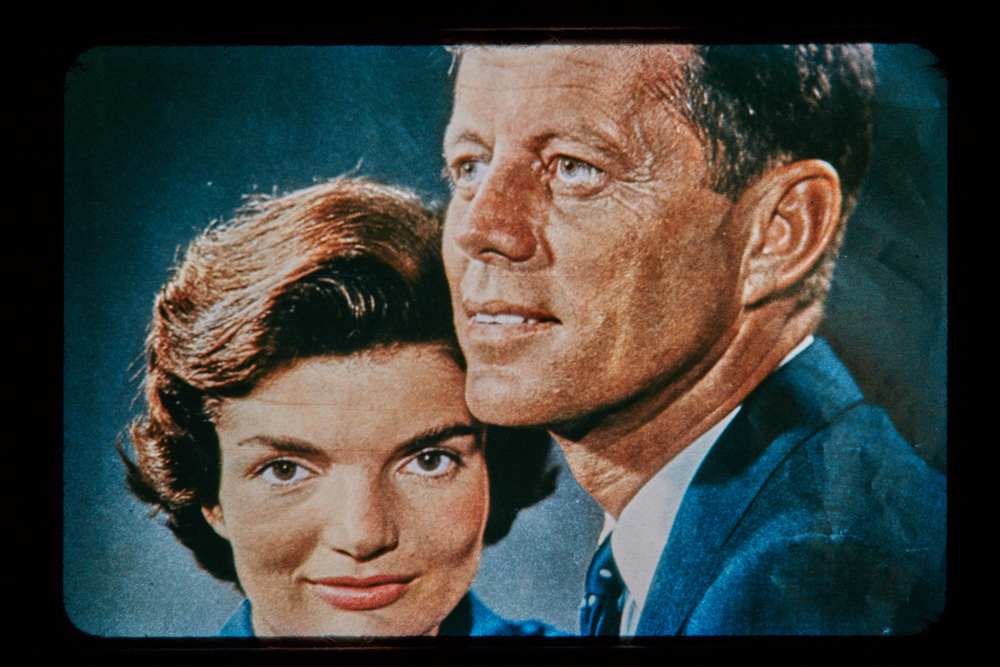
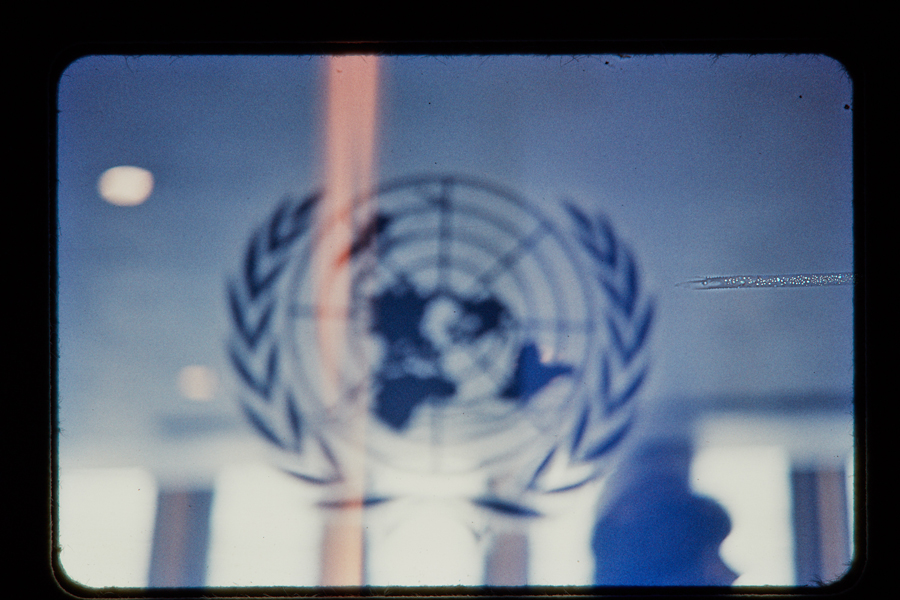
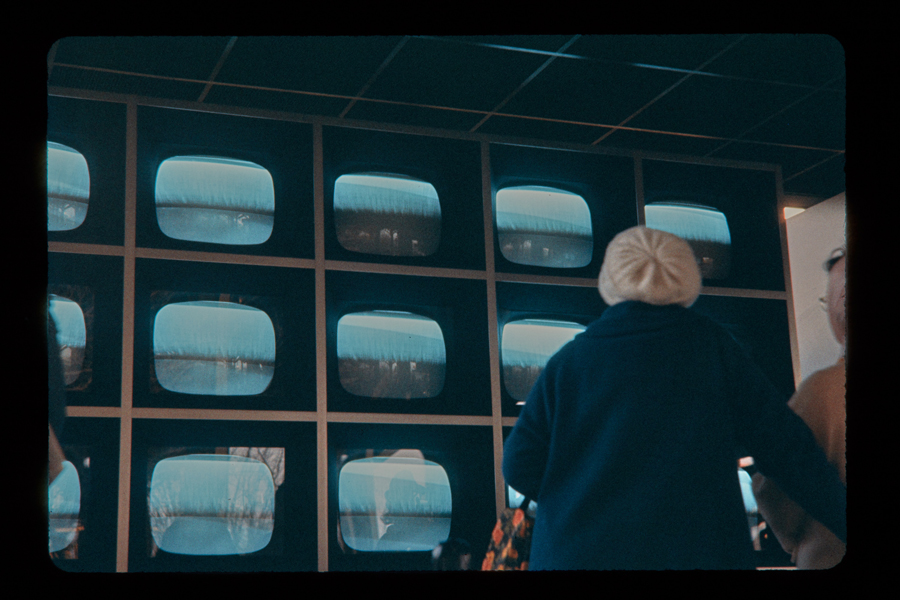
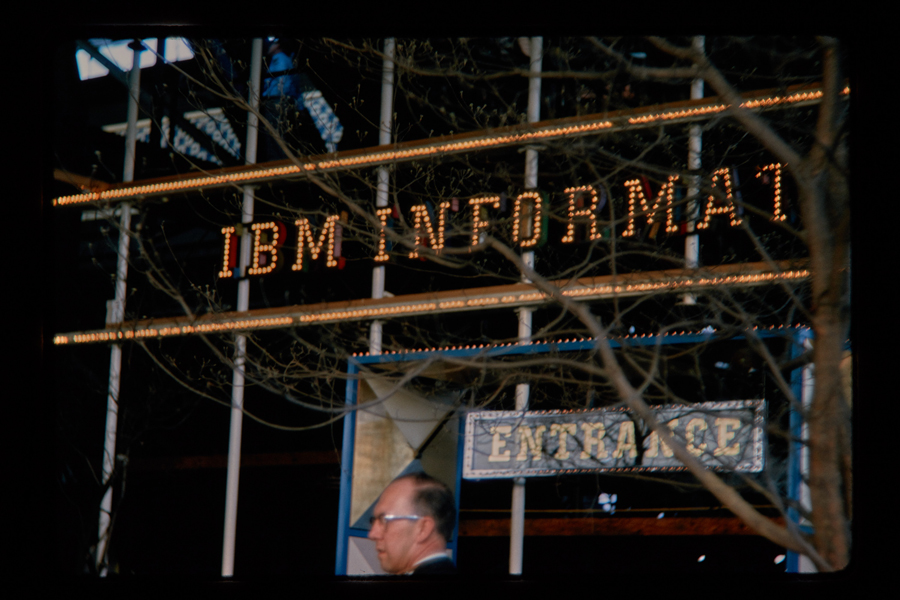
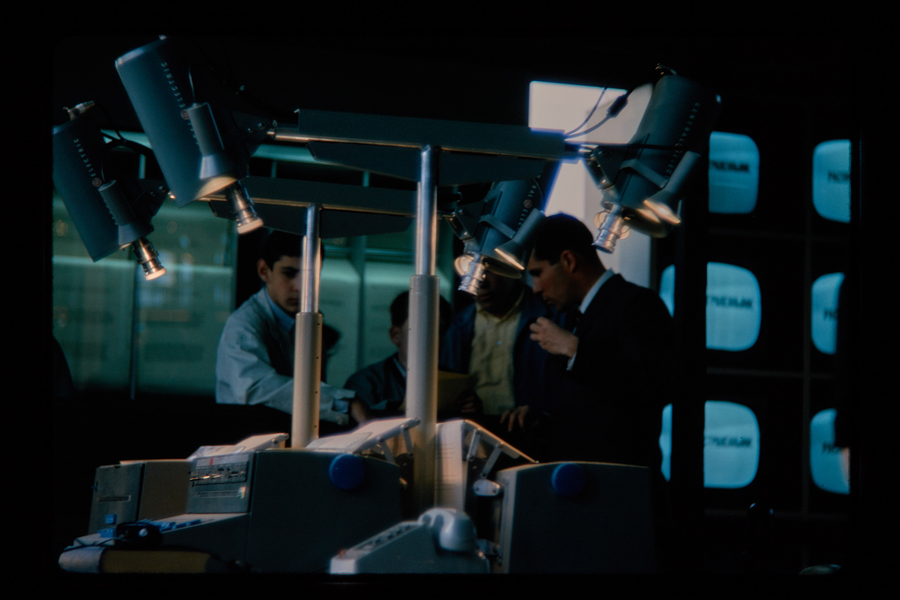
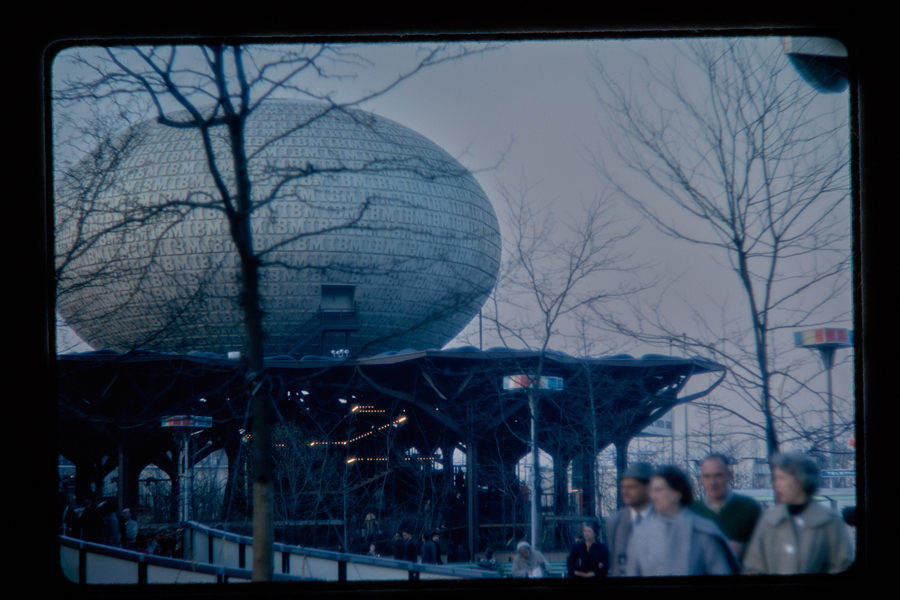
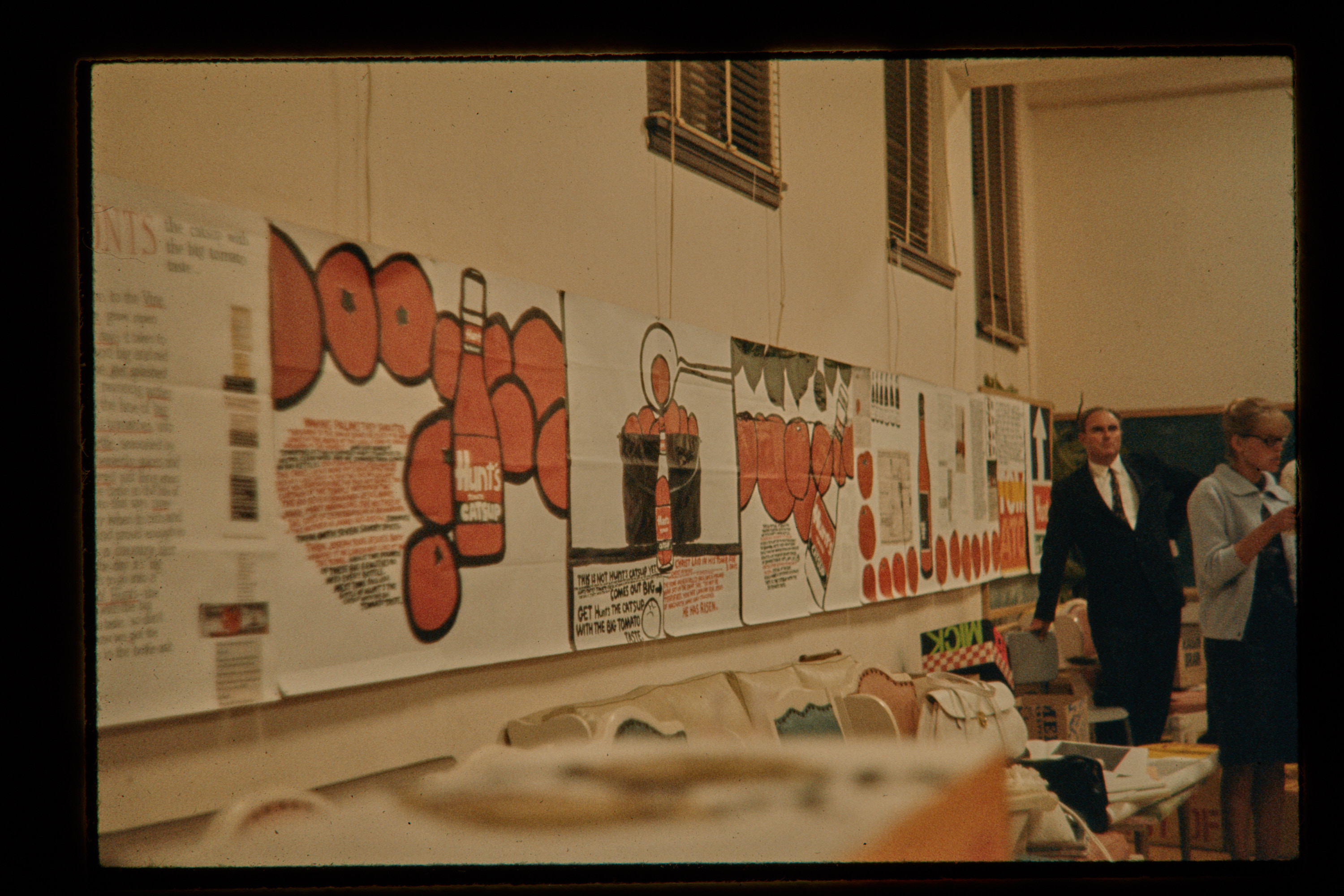
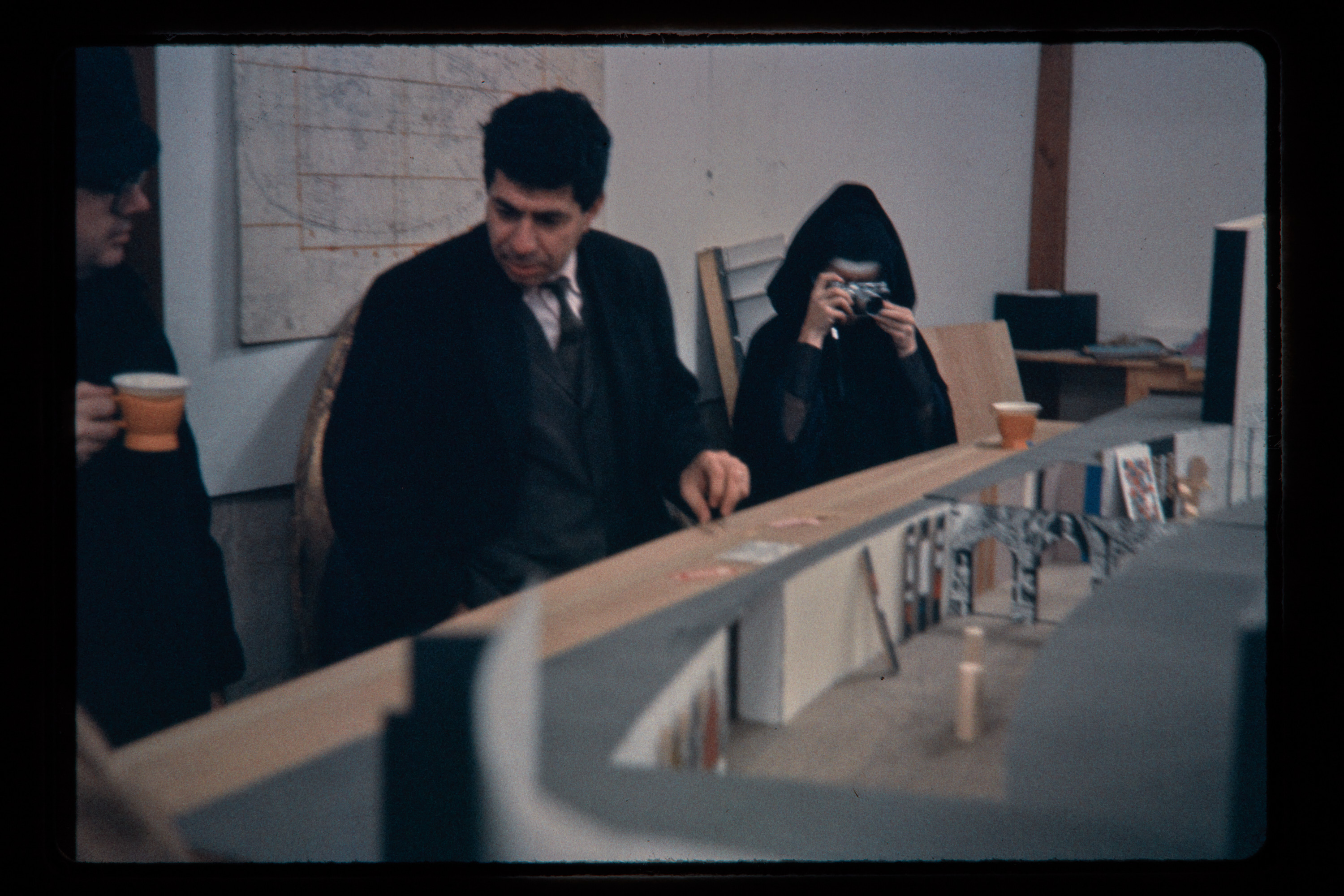
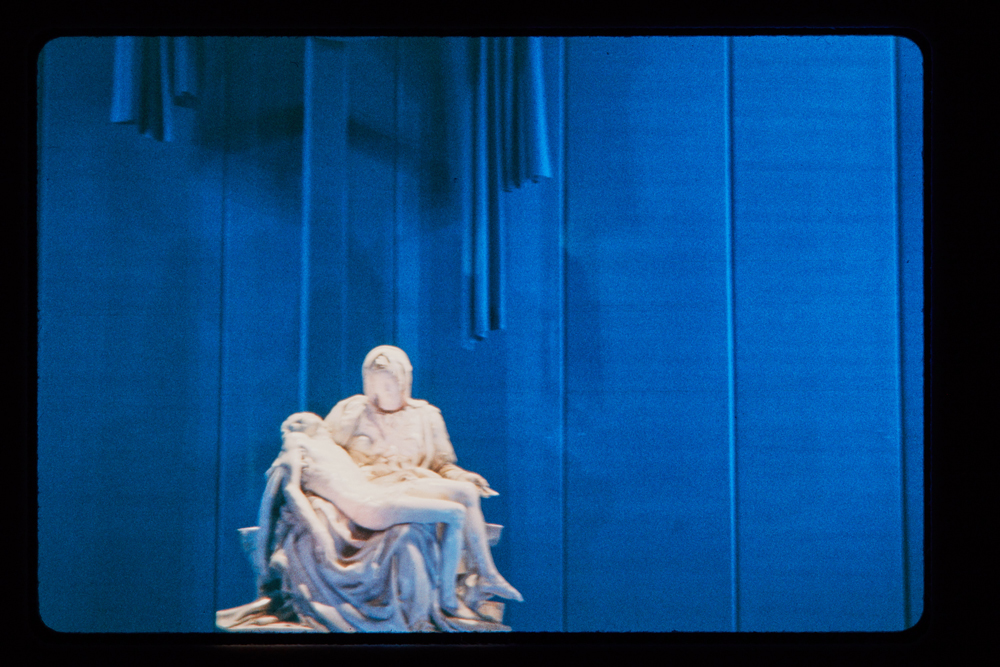
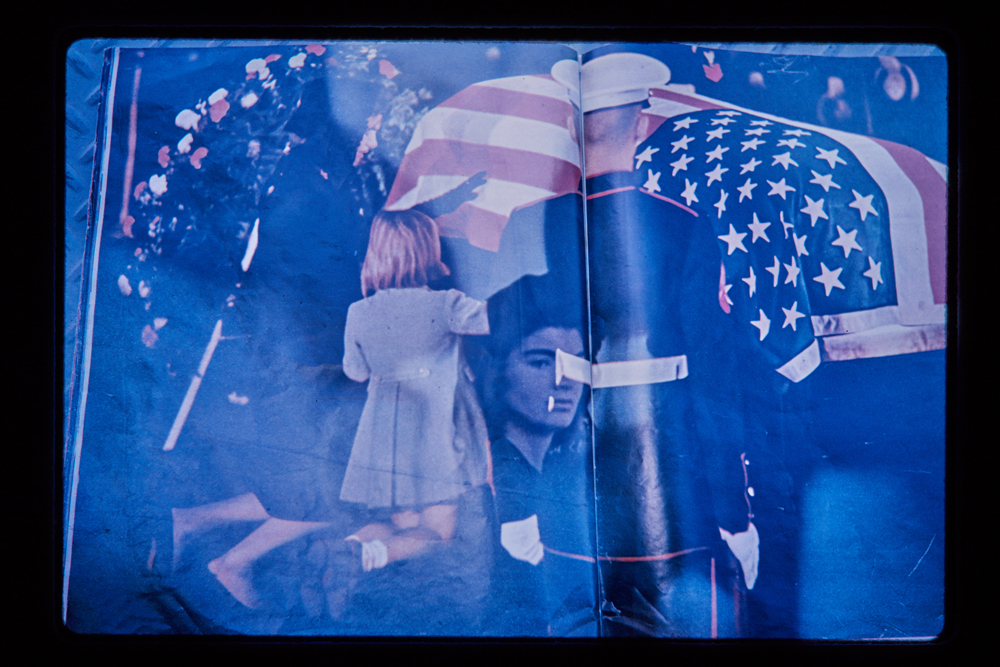
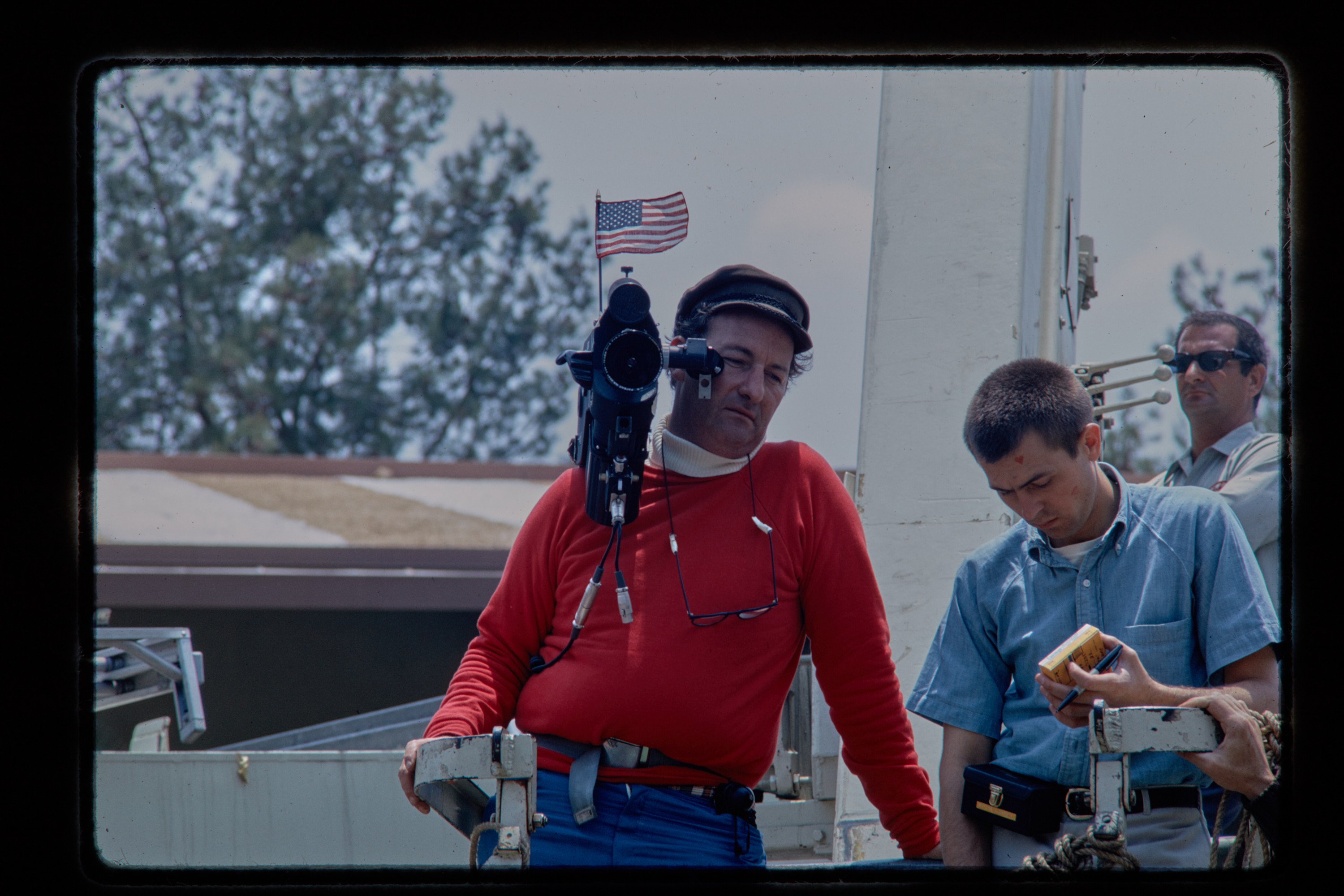
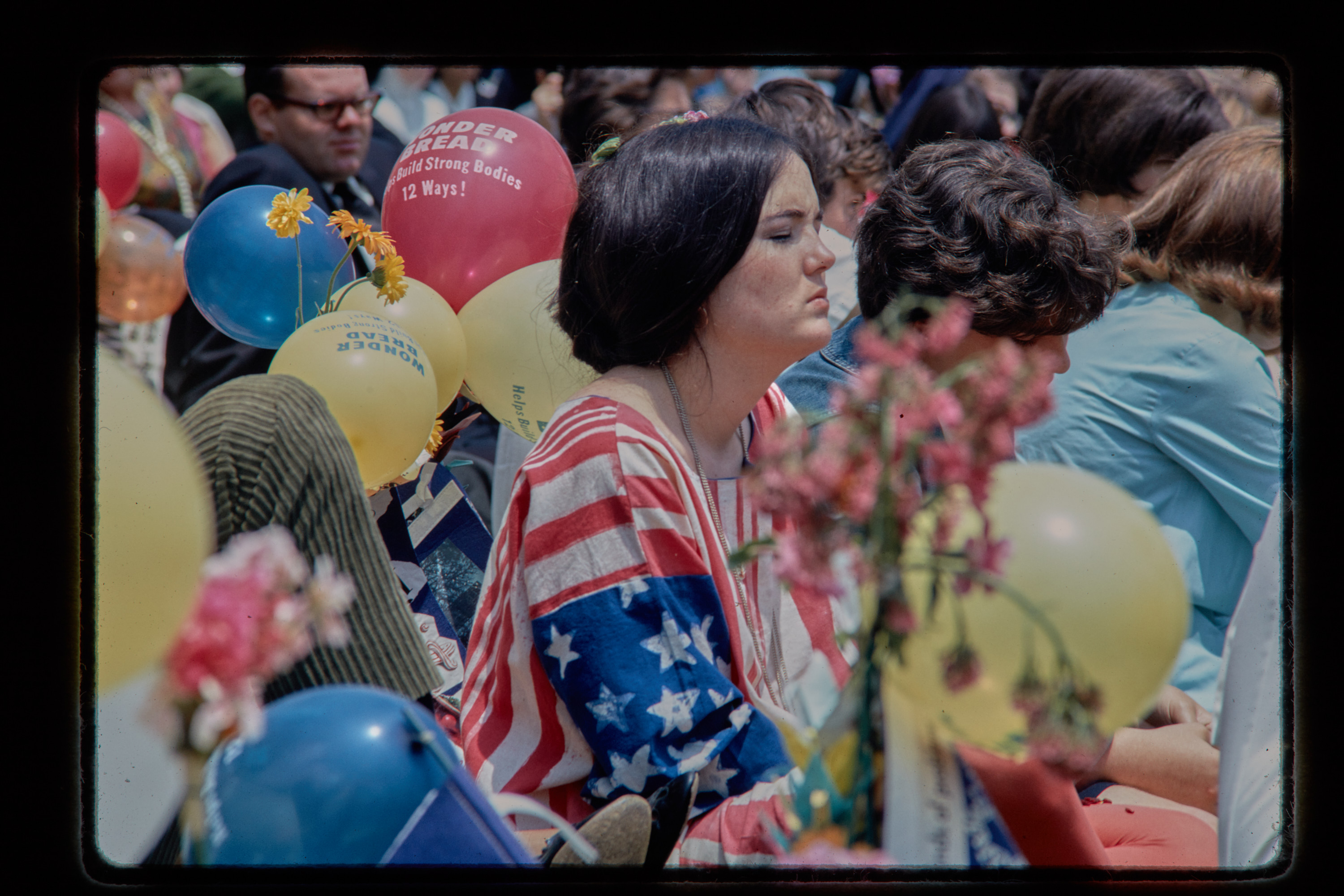
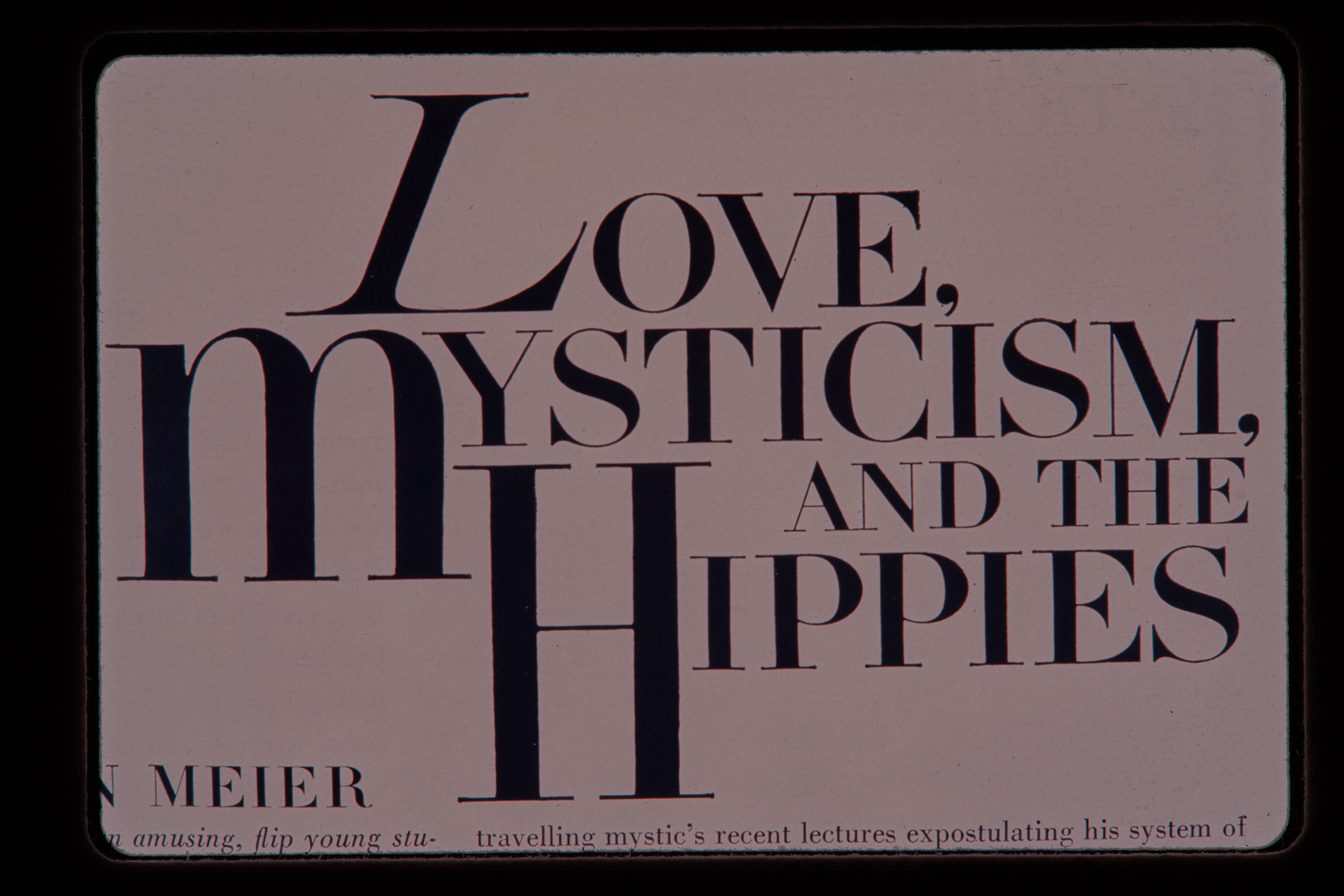
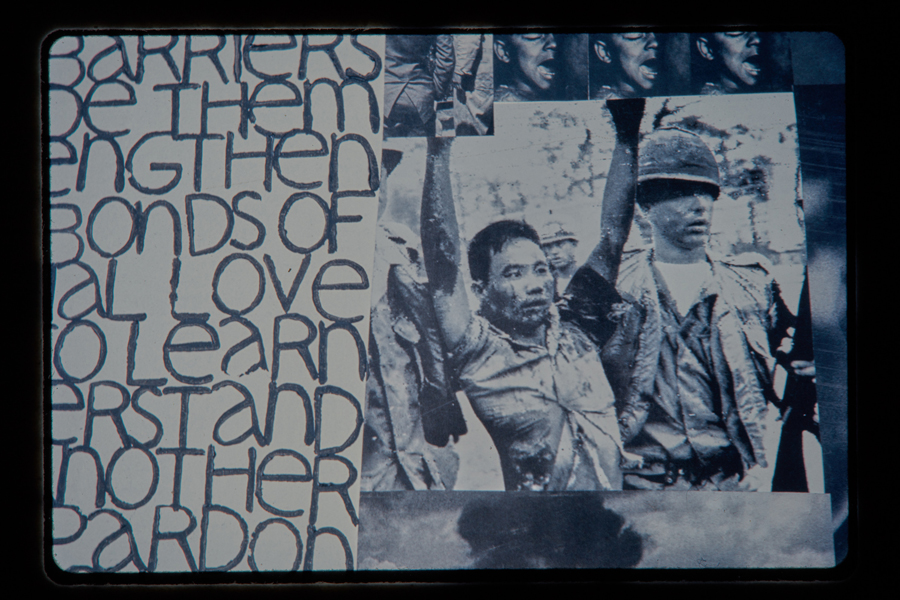
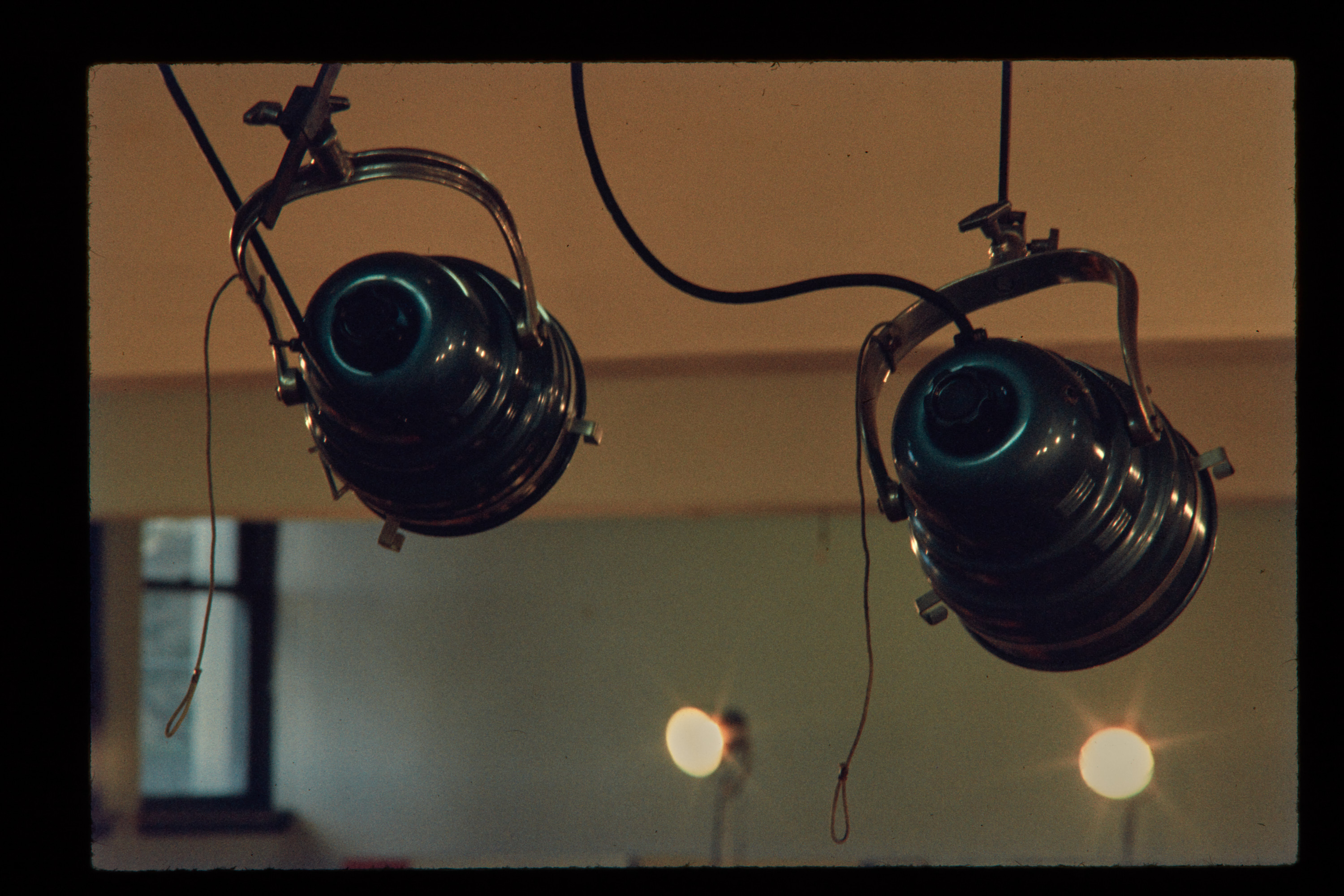
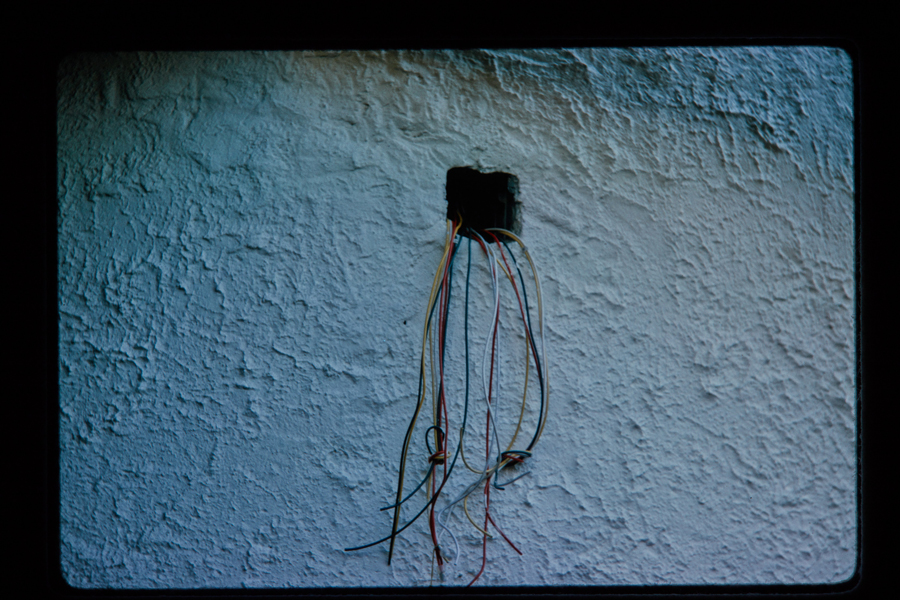
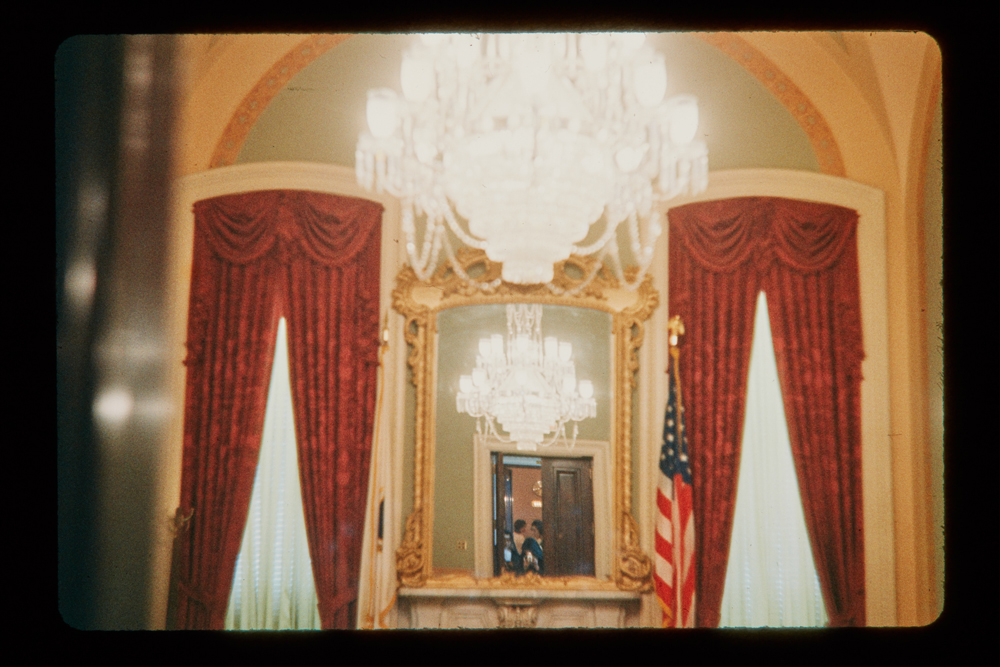
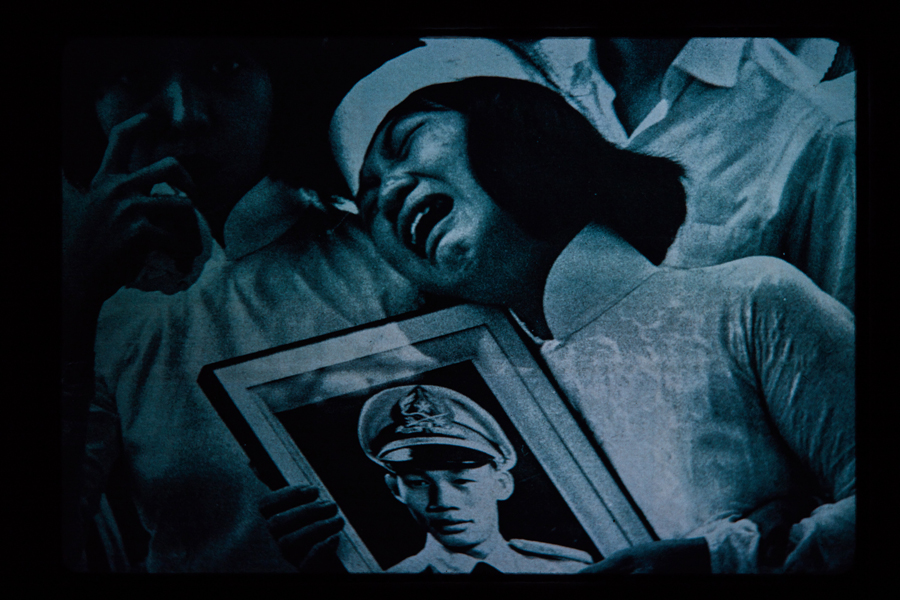
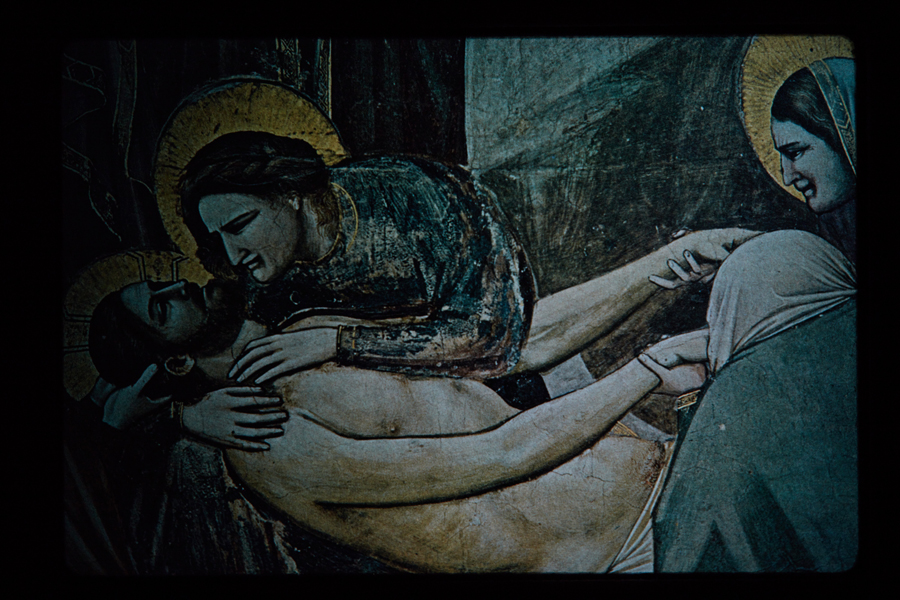
Artist Paul Pfeiffer brings together a selection of Corita Kent’s 35mm slides as part of his ongoing interest in how images shape our sense of presence and meaning. Known for reworking sports footage and pop culture icons into meditations on power and memory, Pfeiffer turns here to Corita’s photographs. Presenting a wide array of images, from her documentation of the college's annual Mary's Day celebrations to a 1964 visit to the World's Fair in New York, where she contributed a mural to the Vatican Pavillion, Pfeiffer juxtaposes his selection with music and video clips from an equally diverse playlist that included Krysztof Panderecki, The Exorcist, Nancy Holt and Richard Serra's The Boomerang, and others.
Paul Pfeiffer (b. 1966, Honolulu, Hawaii) is an artist living and working in New York City, who has been making work in video, photography, installation, and sculpture since the late 1990s. Known for his innovative manipulation of digital media, Pfeiffer recasts the visual language of mass media spectacle to examine how images shape our awareness of ourselves and the world. Sampling footage from YouTube and other sources, he uses these to plumb the depths of contemporary culture, assessing its racial, religious, and technological dimensions. At the same time, Pfeiffer's objects and images function diachronically, establishing profound genealogies that connect contemporary culture and its many particularities to the long, seemingly remote histories of art, media, religion, and human consciousness.
Pfeiffer has had many one-person exhibitions at Whitney Museum of American Art (2001); the Museum of Contemporary Art Chicago (2003 and 2017-18); the National Gallery of Victoria, Melbourne (2005); MUSAC León, Spain (2008); Hamburger Bahnhof, Berlin (2009); Sammlung Goetz, Munich (2011); Museum of Contemporary Art and Design, Manila (2015); Inhotim, Brumadinho, Brazil (2018); and The Athenaeum, Athens, GA (2023). He has presented work in major international exhibitions, most recently the Performa Biennial and the Honolulu Biennial in 2019 and the Toronto Biennial and Seoul Mediacity Biennale in 2022. His work is in the permanent collections of the Museum of Modern Art and the Whitney Museum of American Art, New York; Museum of Modern Art, San Francisco; M+, Hong Kong; The Guggenheim; Tate Modern; and the Pinault Collection, among many others.
Upcoming Exhibition Related Programming




Bibliography
Ault, Julie. Come Alive!: the Spirited Art of Sister Corita. Four Corners, 2007.
Berry, Ian, and Michael Duncan. Someday Is Now: the Art of Corita Kent. The Frances Young Tang Teaching Museum and Art Gallery at Skidmore College, 2013.
Crow, Thomas E., et al. Artists Respond: American Art and the Vietnam War, 1965-1975. Edited by Melissa Ho, Smithsonian American Art Museum; in association with Princeton University Press, 2019.
Dackerman, Susan, et al. Corita Kent and the Language of Pop. Harvard Art Museums, 2015.
Kent, Corita. Footnotes and Headlines: A Play-Pray Book. Herder and Herder, 1967.
Kent, Corita and Jan Steward. Learning by Heart. Bantam Books, 1992.
Kent, Corita. “Catching Sight: Potentialities of Photographs.” The Use and Misuse of Visual Arts in Religious Education, edited by Celia T. Hubbard. Glen Rock, New Jersey: Paulist Press, 1966.
Kent, Corita. “Choose Life or Assign a Sign or Begin a Conversation.” Living Light 3, no.1 (Spring 1966).Kent, Corita. “Doors Are Like Letters Are Like Love.” Children’s Religion, November 1966.
Kent, Corita, interviewed by Bernard Galm for Center for Oral History Research, University of California, Los Angeles, April 1976.
Press
Magazine article title - Publication
Magazine article title - Publication
Support
This exhibition was supported by the Los Angeles County Department of Arts and Culture, the Perenchio Foundation, the Ruth Foundation for the Arts, and the Teiger Foundation.